
Battle for Libraries
ONLINE ID CHECKS
WILL RUIN
THE INTERNET
Tell your lawmakers: we need common-sense, privacy forward solutions, NOT ID checks for the internet!
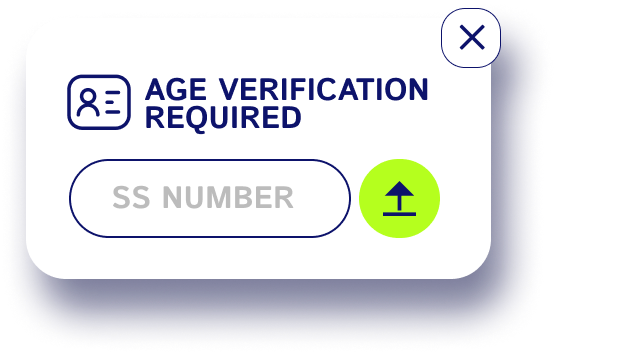
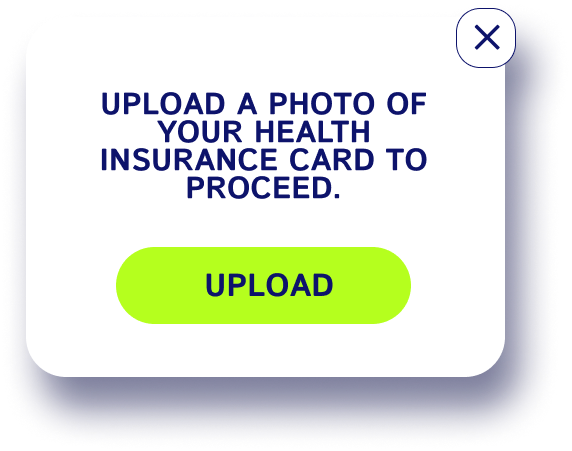
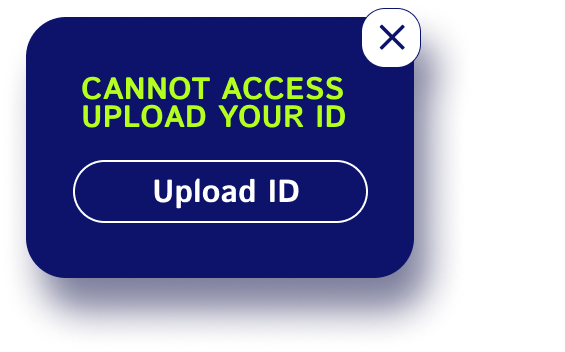
Across the country, lawmakers are passing bills that require everyone to submit to age checks to access websites. Already, people in Louisiana, Indiana, and Virginia must provide government ID to access certain apps and websites. Imagine opening up your social media of choice for a casual scroll and the app demands to scan your face. Or being asked to upload your government ID just to access an article or recipe. This censorship movement won’t rest until online ID checks wall off huge sections of the Internet, with the government as the sole gatekeeper. Information freedom no more.
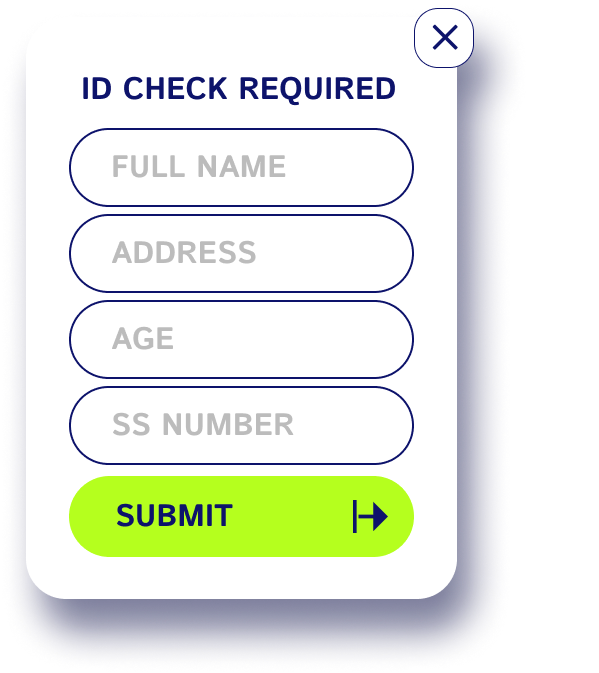
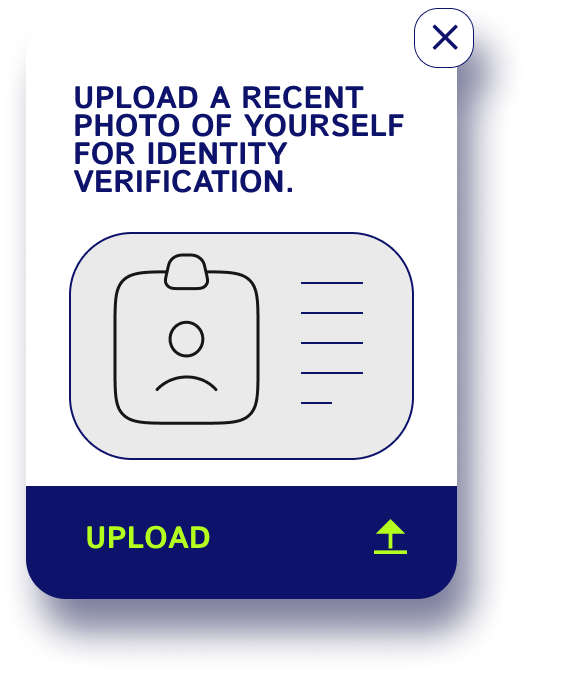
How ID Checks Will Work
STATES WITH ID CHECK LAWS:
CREATOR TOOLKIT
WHY SHOULD I CARE?
We all want the internet to be a safer place. But ID checks won’t make us safer, no matter who you are, how old you are, or what you’re doing online. In order to verify someone’s identity or age, websites collect and store your data, often through third party companies that are hackable and expose people to identity and data theft. Some companies are selling ID verification tools that use facial recognition or other biometric scans, which are inaccurate, discriminate against women and people of color, and can be abused by law enforcement.
Big Tech has already made the internet worse: it’s hard to find information or see what your friends are posting online amidst the sea of advertisements and promoted content. Now, proliferation of age-gating practices could make it even harder to access resources that are increasingly under political attack, like sex education, abortion healthcare information, and LGBTQ online communities . The data shows that when presented with age verification mechanisms, people are more likely to just give up instead of entering sensitive information, which they are rightfully mistrustful of.
On top of these risks, age checks create obstacles for marginalized people looking for vital resources and community online. A journalist should be able to do research without leaving a paper trail. A queer person or parent of a trans kid should be able to look up information about sexuality or gender affirming healthcare without fear of a search being tied to their identity. A pregnant person in a state with an abortion ban should be able to look up abortion funds without being surveilled. Age checks interrupt the free flow of information and our right to free speech online. You should be able to interact with your online communities, fandom, friends, the news, and more without putting your sensitive information into a database where you have no control over your data and how it can be used against you.
No matter what you care about, ID checks cause more harm than good.
UKOSA Highlights the Threat of Online ID Checks
The United Kingdom’s Online Safety Act (UKOSA) came into effect in July 2025, requiring platforms and websites to verify the age of users before allowing them to access vaguely defined “adult content.” The rollout was a disaster. Facing massive fines for failure to comply, many websites chose to shutdown or block access from the UK. Platforms and websites that did comply placed ID checks between users and vast swaths of content. Predictably, LGBTQ+ content was targeted, but users also reported age gates in many seemingly random communities, like the subreddit dedicated to critiquing flag design. Bills like KOSA would help bring the harmful farce of online ID checks to the rest of the world.
Digital IDs Will Make Online ID Checks Worse
Proponents of Digital IDs assure that they’ll provide great convenience, but they would actually be terribly powerful surveillance tools. Many states have launched, or are planning on launching, digital ID programs. For now, these systems are offered in addition to physical IDs, but could be made mandatory for the purpose of online ID checking and for accessing other services. Digital IDs can be used to track and surveil users by monitoring which websites or stores are sending requests to the government to verify your identity. For example, states with abortion bans could use digital IDs to track people seeking reproductive healthcare in other states. The threat of surveillance and censorship, posed by online ID checks, is only made worse by Digital IDs.
Do you want to get involved in resisting the spread of digital IDs? Consider hosting a movie night with Surveillance Resistance Labs’ toolkit and check out these additional resources to learn more!
SO HOW DO WE MAKE THE INTERNET SAFER?
Make no mistake: the current state of things is harmful, to everyone, not just kids. Tech companies are collecting our data to power their exploitative and oppressive algorithms and making the internet worse with surveillance, censorship, and endless targeted advertising. But the solution is cracking down on their greedy surveillance capitalist business model, not restricting speech and kicking kids offline. We should be working on comprehensive privacy legislation that prioritizes people at the margins, antitrust legislation to actually regulate these giant corporations, and the algorithmic justice legislation that digital rights experts have been calling for.
Tell your lawmakers to reject any legislation that requires websites to use government ID or AI biometric technology to limit users or access.
am i gay?
States across the country are passing or considering laws that would require everyone to submit to ID checks to access websites. These laws would require websites that already collect our data to collect even more. Lawmakers shouldn’t be giving exploitative tech companies even more intrusive access to our data, and they shouldn’t be limiting people’s ability to access information and community online.
am i pregnant?
States across the country are passing or considering laws that would require everyone to submit to ID checks to access websites. These laws would require websites that already collect our data to collect even more. Lawmakers shouldn’t be giving exploitative tech companies even more intrusive access to our data, and they shouldn’t be limiting people’s ability to access information and community online.
Check out what users and creators are saying about YouTube’s ID checks!
"While YouTube has not yet required verification of my age, I worry a lot that engaging with things I'm nostalgic for or have loved since childhood might cause it to compromise my right to privacy. I'm watching or listening to Youtube nearly 24/7, for grounding my anxiety or keeping my mind going, and the potential for my interests to flag me as a child just makes it difficult to enjoy things comfortably. I don't believe this will identify kids nearly as much as it will mis-identify adults, and I feel that the solution to children's safety on the internet is not to censor and lock down the entire internet, but to create, maintain, and moderate separate safe spaces specifically for children. You wouldn't childproof an entire mall; you'd make spaces for children and give parents the responsibility to get them to those spaces. I feel the internet should be similar in that way, for the benefit of everyone."
"I was attempting to watch a Louis Rossmann video, and the age verification pop-up blocked me from watching his video. Quite a few of his other videos covering anticonsumer practices from corporations have also been marked by the system as mature, meaning I'm forced to leak my ID to Google just to watch content I KNOW for a fact is pg-13 at worst."
"I was simply searching for information on the website when I was informed that my settings had been changed automatically and I would need to upload my private, personal information to one of the most notorious internet tracking hubs in the world in order to bypass it. I find this incredibly disrespectful, disturbing, and frankly dystopian. I and millions of others of all ages have been using YouTube for over a decade without issue - why is it now that they choose this policy of distrust over having faith in their own users' abilities? I can only imagine they aren't concerned with "safety" at all."
“I’ve been boycotting YouTube since the verification took effect. I haven’t used it since August 13th, and won’t use it until the verification is lifted. I’ve had my YouTube account since I was ten, and I watch a lot of content that could be considered for kids. I no longer have access to the movies I’ve bought, but it’s a small price to pay for keeping my ID out of a company’s hands.”
"I use YouTube regularly and have not yet been affected by this. Many of the creators and videos i watch through YouTube touch on LGBTQ+ themes and topics on a regular basis and they have been some of the first to be affiliated by algorithmic censorship in the past. This change would be unacceptable."
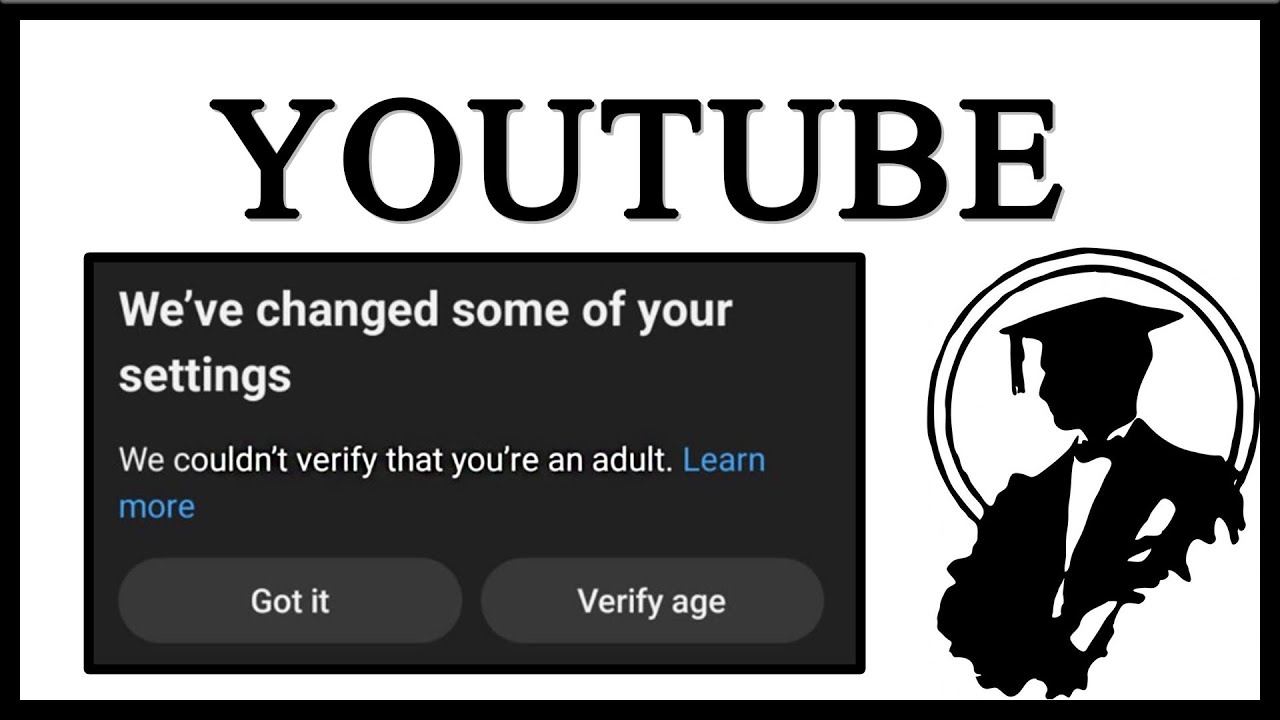
"I've been boycotting YT since the policy dropped last week, which has been frustrating and stressful since it was such a large part of my routine. But it's worth it to make sure we don't lose important freedoms to corporate interests. As it stands, even since before then I'd been using other means to access YT since it's so invasive already. Unfortunately I still use Google for other things, but it may be about time to switch to alternatives less likely to skim my things for data to sell to advertisers."
"I'm worried that certain kinds of videos I watch might flag the system. There is no transparency on how the system works so any video I watch that a kid could also enjoy puts me at risk. Gameplay videos, animation, even certain genres of music could trip the system up and I wouldn't know."
"I have not, but even then this is wildly a bad idea, a data leak could lead to millions of people's home addresses being leaked by youtube, leading to potential major issues."
"It forces me to put in a picture of myself for age verification, since my emails “couldn’t prove my age”, despite me being 18 and not consuming content that should have flagged me."
"I am very concerned because my account is from December 1st, 2006 it's 19 years old and it should not be required to give away sensitive information"
"While I have not yet fallen victim to YouTube's age verification system, I can only assume that the generative AI behind the system will fail and judge the age of many adults such as myself erroneously. Such a system is entirely pointless and only serves to harm the YouTube userbase, not to mention the energy concerns of the ludicrous amount of useless AI features Google has implemented on all its platforms in recent times. If Google on the whole wants to start making better decisions and listening to its userbase, they will drop all their AI features before the end of the year."

Supporters